



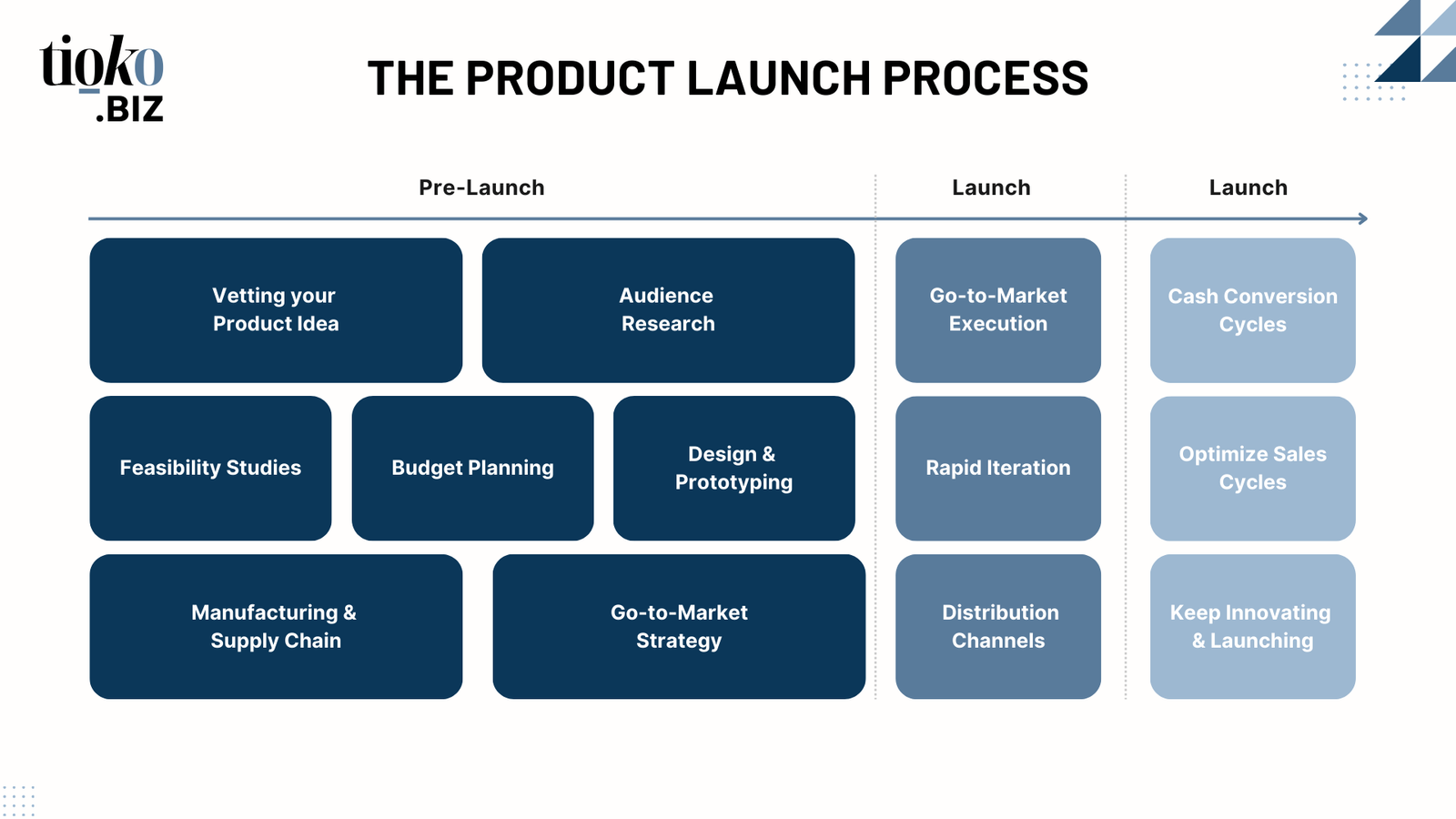


What We Do
WE BREAK BOUNDARIES
TO CRAFT EXTRAORDINARY EXPERIENCES.
We apply a human-centered approach to developing and expanding your business. We provide authentic, data-backed, and unorthodox solutions to promote the stories you have to share.




WHO ARE YOU

As a NEW business owner, it’s important to be able to communicate your brand’s story in a way that’s compelling, clear, and concise.

Sometimes trying to pursuing a career while achieving the work-life balance that makes for a rewarding life can seem impossible.
Pursuing a creative or artistic career can certainly be fulfilling, but it’s far from certain. Building your portfolio as you develop and learn is a good start.

At some point, all businesses, no matter how successful, are faced with the cumbersome reality of needing to revamp and reinvent themselves.
WHAT YOU CAN EXPECT
We provide one-on-one mentoring, helping you refine your business strategies, enhance your marketing efforts and improve operational efficiency; your go-to resource for advice.
By leveraging a vast network of industry experts and service providers, you with have access to tools, resources and workshops that are essential for business development.
We work behind the scenes to ensure that your business operations run smoothly, allowing you to focus more on everything else.
“Be genuine. Be remarkable. Be worth connecting with.” – Seth Godin
“Where we always start is: What’s the user’s itch? What’s their pain point that occurs frequently enough to build a habit around?” – Nir Eyal
In an ever-changing and unpredictable market, we value the importance of staying ahead of the curve, staying relevant and maintaining connections with your target audience.
Marketing goes beyond product promotion or services provided; it’s about bridging the gap between what your advertising says about your brand and what your customer experiences. A consistent message across advertising and customer interaction builds trust and loyalty.

We understand that design evokes emotion which can greatly impact the perception, connection and behavior of the client throughout their branding process.
“Design is not just what it looks like and feels like. Design is how it works”. – Steve Jobs
Our job isn’t just to create things that are visually appealing but are completely functional. Our goal is to give you and your audience all of the feels; to spark trust, pleasure and/or nostalgia, resulting in purchasing decisions.
Collaboration is how we drive growth, innovation, and reputation. We are a team of dedicated professionals sharing resources, expertise and experience to establish and expand your business.
Creativity is about connection so we focus on synthesizing powerful experience and innovative ideas. We’re with you every step of the way!
“Many companies have forgotten they sell to actual people. Humans care about the entire experience, not just marketing, sales, or service.” – Dharmesh Shah
“Very demure, very cutesy, very mindful.” – Jools Lebron
Our designs, imagery, presentations and illustrations are relatable and appealing to a broader audience as they reflect the realities of a changing world and provide users with a more welcoming and comprehensive experience.
Society and culture impacts consumer behavior and expectations so we take every opportunity to grasp and embrace diversity and inclusivity in our research, strategy and design.
Frequently Asked Questions
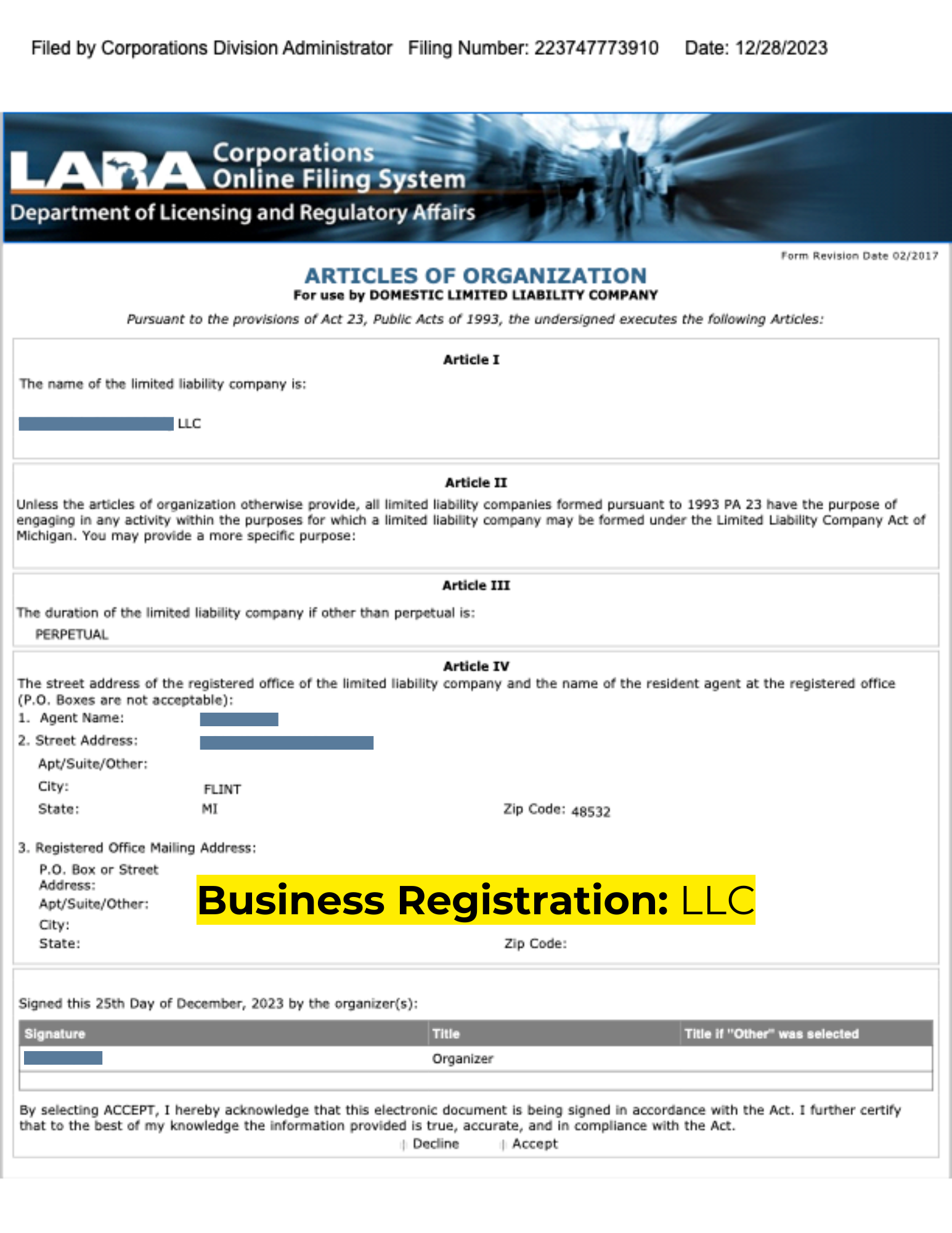
BUSINESS
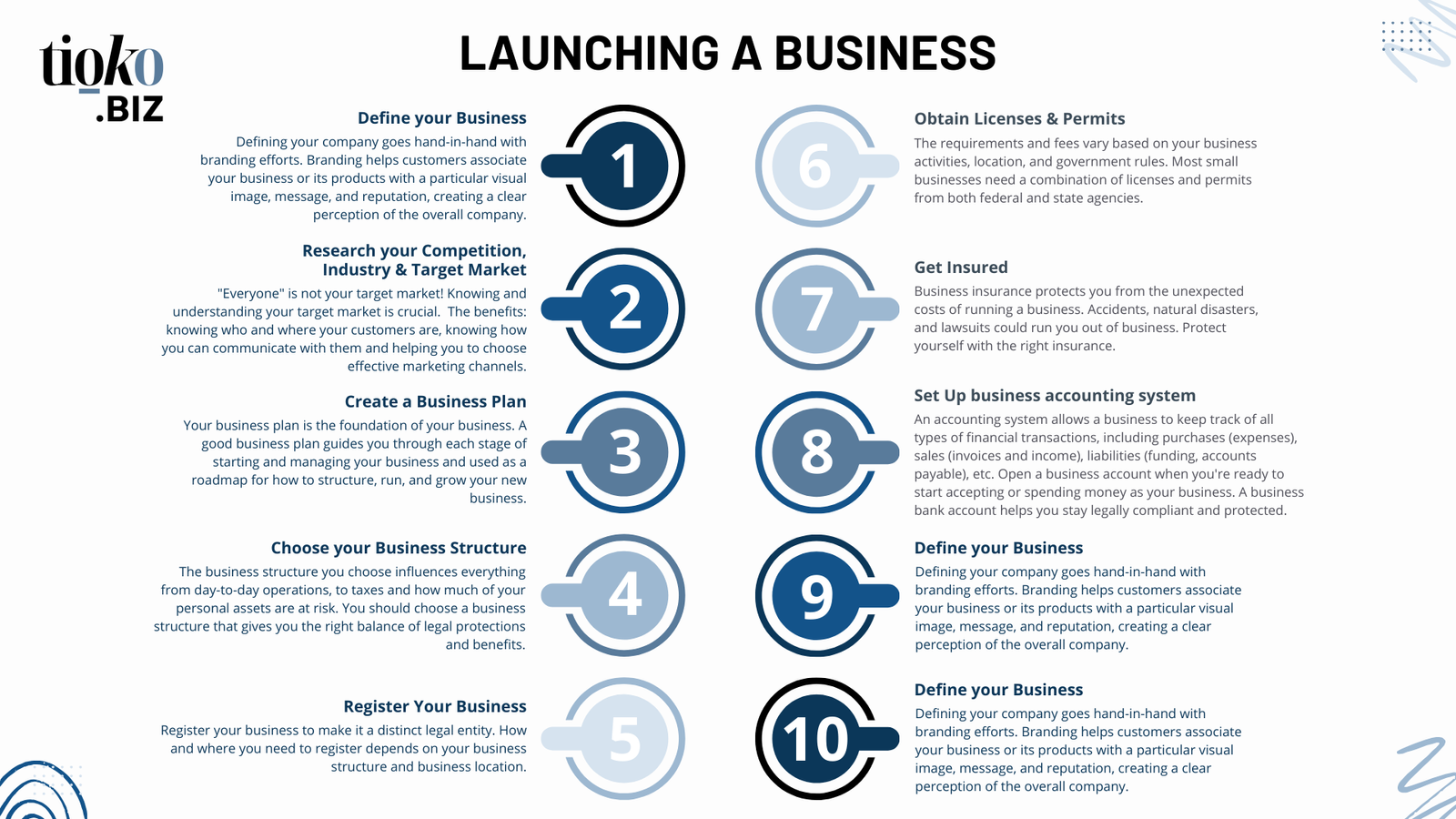
Every business should be a solution to a problem that customers need or want. It's best to start a business that you're passionate about, enjoy and have experience with.
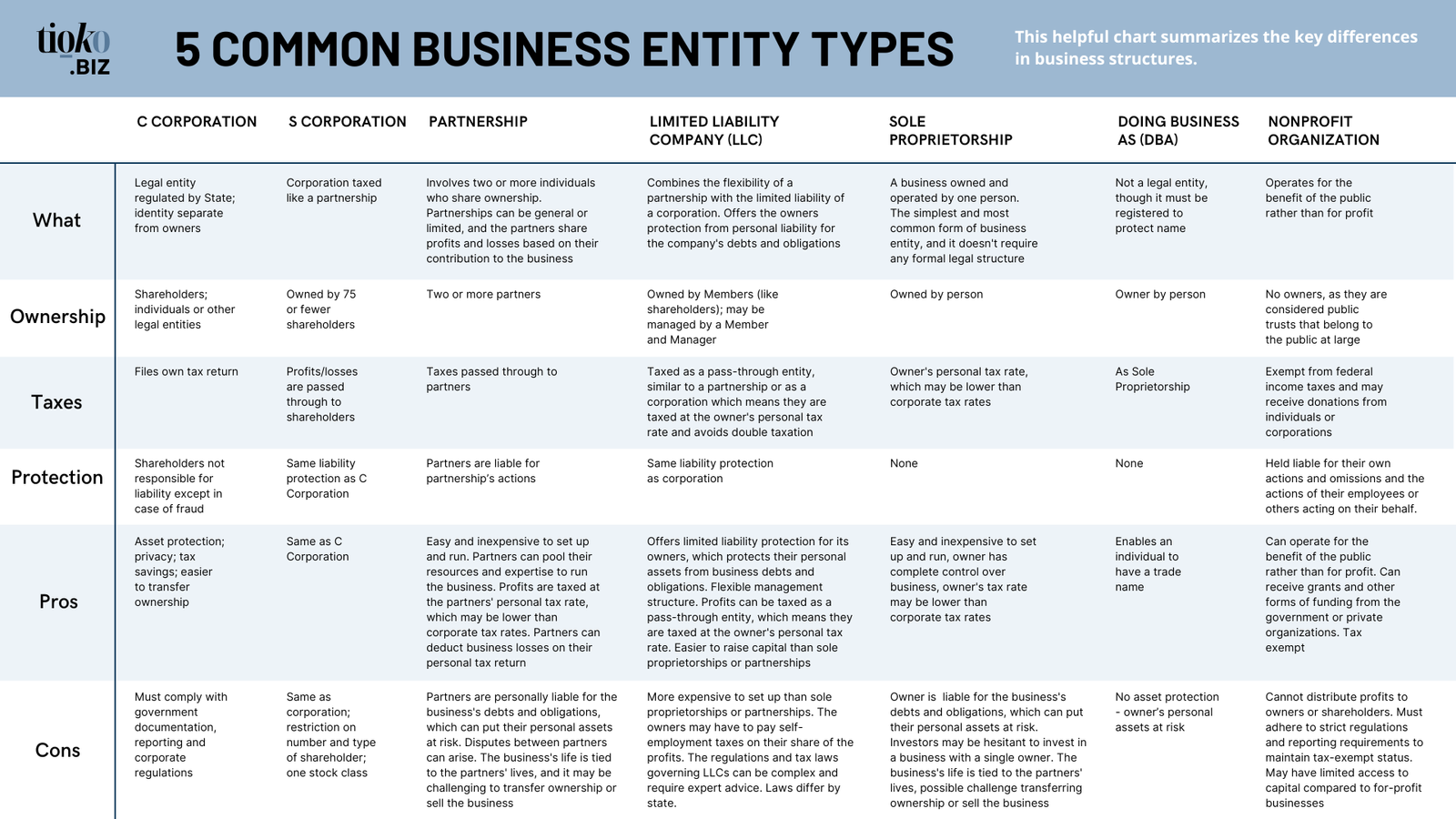
Owners: Who will own the business
Earnings: How the business's earnings will be returned to the owners
Liability protection: Whether you want to protect the owners and investors from personal liability
Taxation: Whether you want to avoid corporate taxation or minimize your tax liability
Regulations: Whether you prefer minimal formal regulations
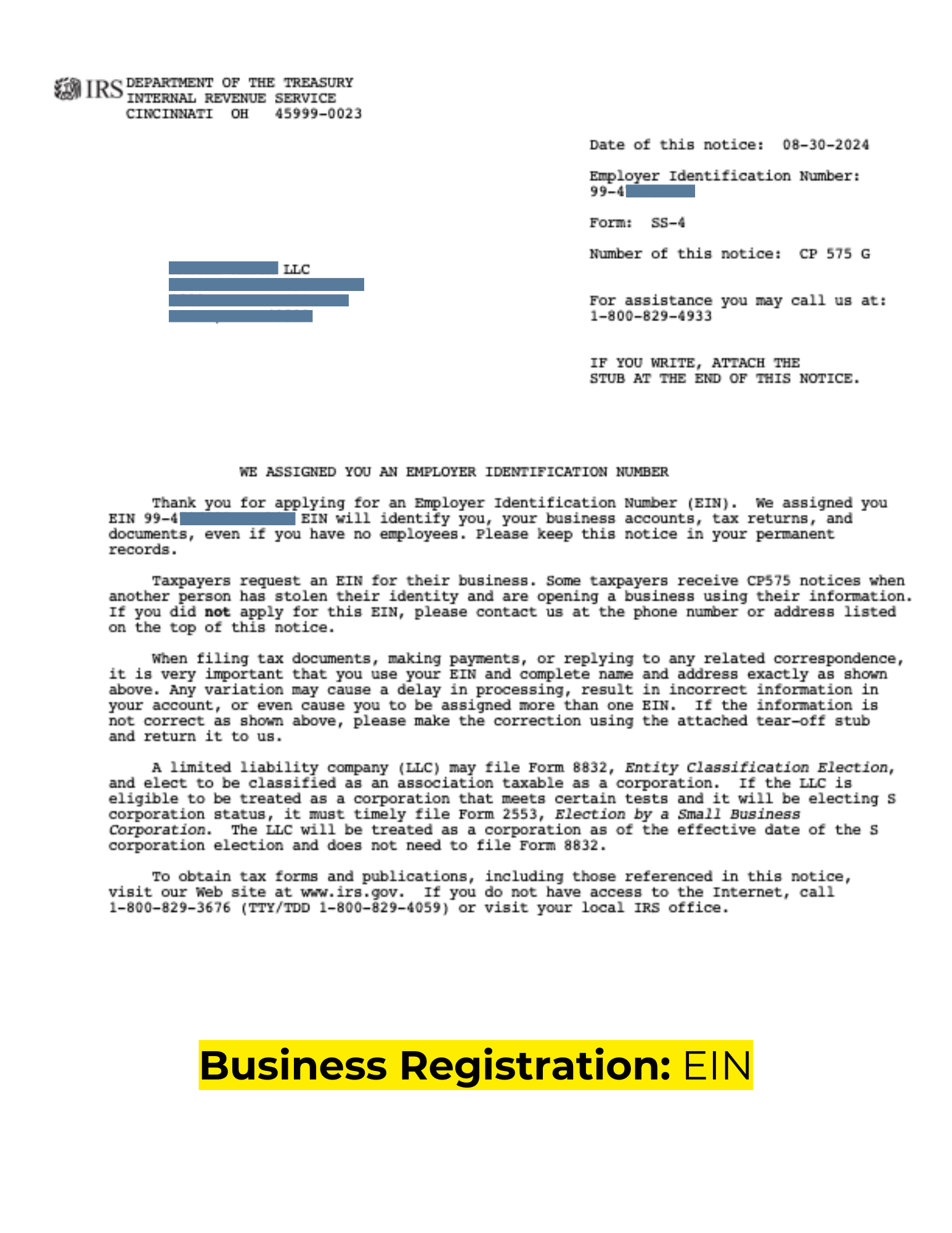
An Employer Identification Number (EIN) is a nine-digit number used to identify a business entity for tax purposes. It's also known as a federal tax identification number.
Taxes: Businesses use EINs to pay federal taxes, file tax returns, and organize business taxes separately from personal taxes.
Banking: Businesses use EINs to open business bank accounts.
Licenses and permits: Businesses use EINs to apply for business licenses and permits.
Hiring employees: Businesses use EINs to hire and pay employees.
Legal compliance: Businesses use EINs to prove they meet regulatory requirements and avoid penalties.
Credit accounts: Businesses may need an EIN to open some credit accounts.
Non-U.S. entrepreneurs: Non-U.S. entrepreneurs can use EINs to start a business if they don't have a U.S. Social Security number or Individual Taxpayer Identification Number.
Depending on your business, you may need general liability insurance, product liability insurance, professional liability insurance, property insurance, worker's compensation insurance, and more.
MARKETING
Without proper marketing and ensuring your business can be found when someone searches, no one will know about you. Implementing simple, online marketing activities puts your business in front of more potential customers. Your marketing can educate them about the products or services you offer.
Marketing is not something you can turn on and off; it’s an investment, not an expense. Turning on marketing only when business gets slow puts you in a viscous cycle. The short of the long, your business needs marketing “ALL THE TIME”.
The "best" type of marketing for your business depends on your target audience, industry, and budget, but digital marketing strategies like social media marketing, content marketing, and search engine optimization (SEO) are often considered the most effective for most businesses today as they allow for targeted reach and measurable results; however, traditional methods like print advertising can still be valuable depending on your market.
Key points to consider:
Social Media Marketing:
Highly accessible for reaching a wide audience, particularly younger demographics, through platforms like Facebook, Instagram, and Twitter.
Content Marketing:
Creating valuable and relevant content (like blog posts, videos, infographics) to attract and engage your target audience, building brand authority.
Search Engine Optimization (SEO):
Optimizing your website to rank higher in search engine results pages (SERPs) organically, increasing visibility to potential customers searching online.
Email Marketing:
Sending targeted emails to nurture leads and stay connected with existing customers.
Paid Advertising:
Utilizing platforms like Google Ads or social media ads to target specific demographics with paid campaigns.
Factors to consider when choosing the best marketing strategy:
Target Audience: Where does your ideal customer spend their time online?
Budget: How much can you invest in different marketing channels?
Business Goals: Are you looking to increase brand awareness, generate leads, or drive sales?
BRANDING
Ask yourself these 12 questions:
What is my why?
Who is my best customer/audience?
How does my product or service benefit my customers?
Which values will guide my business?
What is my Unique Value Proposition (the unique benefit that a company, product, or service provides to its customers or clients)?
What are the strengths/opportunities of my business?
Who is my competition?
What is my brand personality?
How is my business different from competitors?
What is my brand voice?
What is my brand story?
How do I want customers to describe their experience?
It usually takes years to build up a widely-recognized brand - the sooner you start the better.
message and style will inevitably require a budget commitment. The key areas you could budget for are:
The development of a strapline or mission statement that succinctly conveys your message.
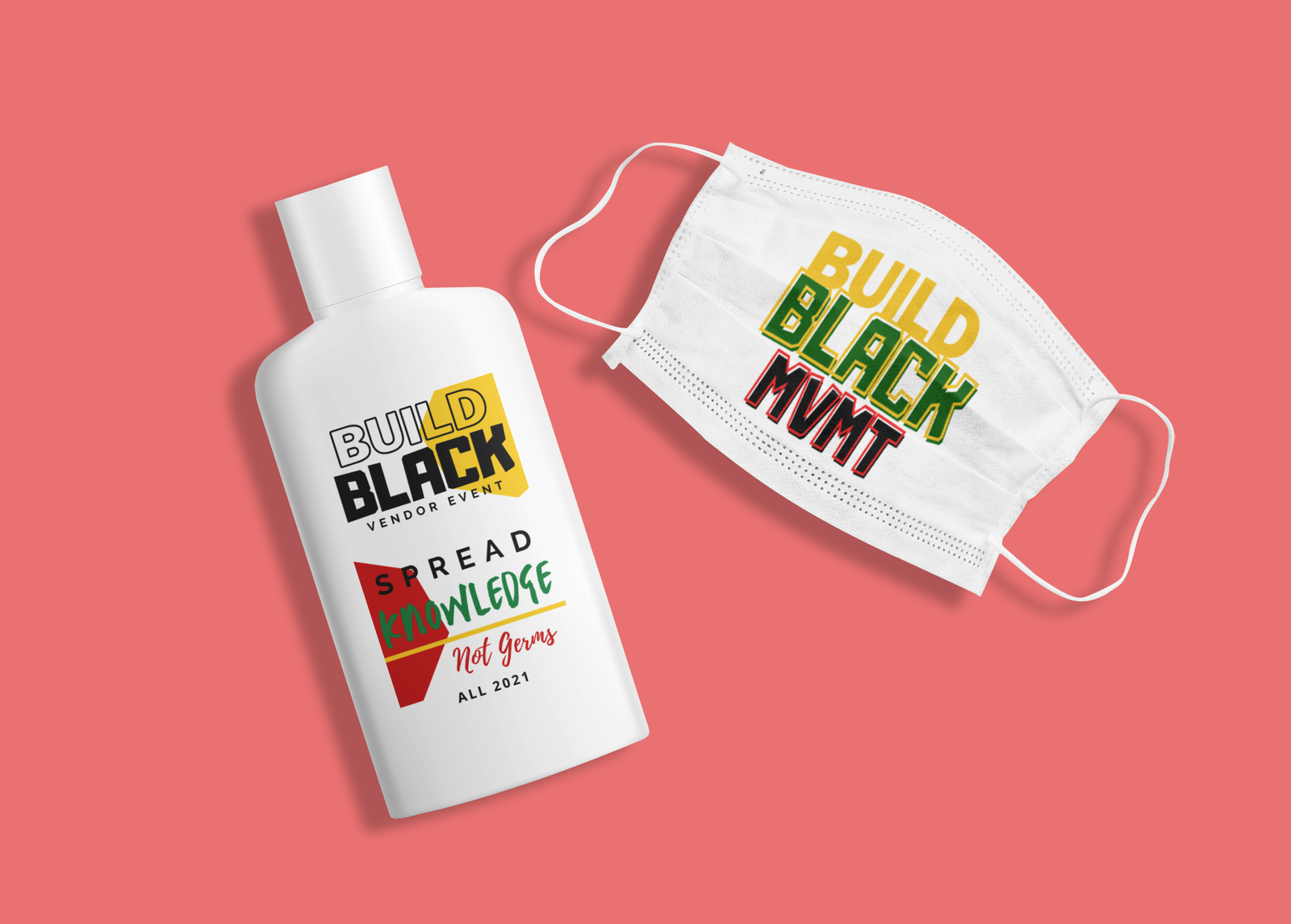
Design needs, such as a website, a logo, business stationery and product packaging.
Advertising and promotional materials that promote and support the brand promise.
Staff training to make sure your employees understand your brand values and business goals.
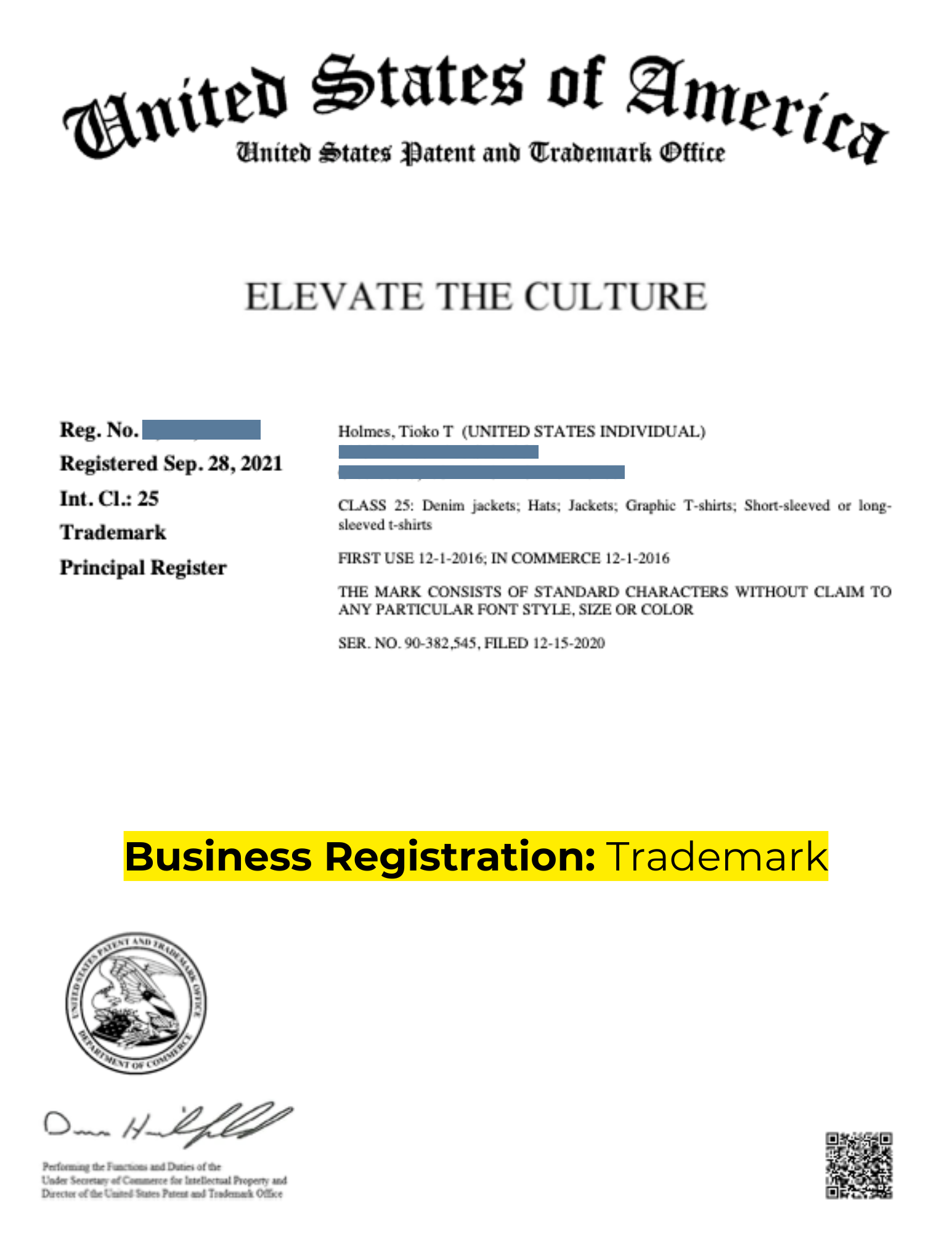
Registration is not essential. But it will help in any future dispute if your trade mark is registered with the Trade Marks Registry (part of the Intellectual Property Office). To register, your mark must be "distinctive in relation to the goods for which registration is sought" and "not deceptive or contrary to law or morality". You will need to check that no-one else has already registered the same mark or something very similar.
DESIGN
Design is the cornerstone of the entire brand experience. It’s the secret to effective marketing, it enriches your brand’s content, and it makes your products stand out. In other words, design is the unifying force behind every aspect of your company, transforming your business into a cohesive, recognizable brand.
Great design establishes your business’s identity and reputation, and it improves the way consumers think about your brand.
Some things to consider when designing your brand include:
Logo: A logo should be clean, stylish, and simple, and should be a clear reflection of your brand's mission and values.
Imagery: Your imagery includes the photos and images you use, as well as the overall style of photography, shapes, patterns, and your brand aesthetic.
Brand strategy: Your brand strategy should be adaptable to the constantly evolving market.
Brand voice: A consistent voice helps your audience understand your brand and what it stands for.
Target audience: Research your target audience to understand their preferences and how they think and feel.
Brand story: Highlight who your brand is, what it stands for, and what makes it unique.
Brand name: A great name can define your brand and shape your business's future.
Brand style guide: A well-defined style guide creates a strong identity and makes it easier to position your business.
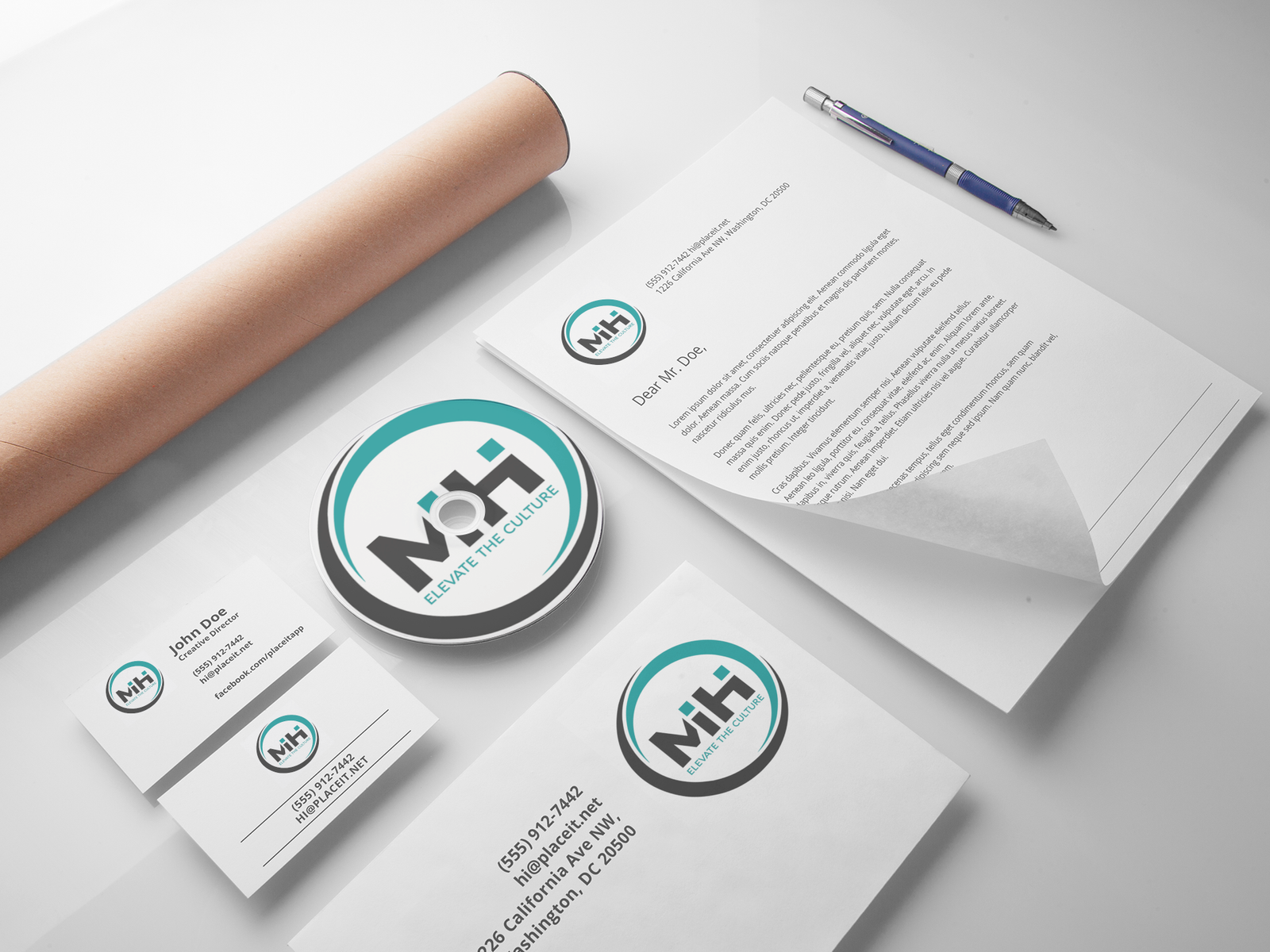
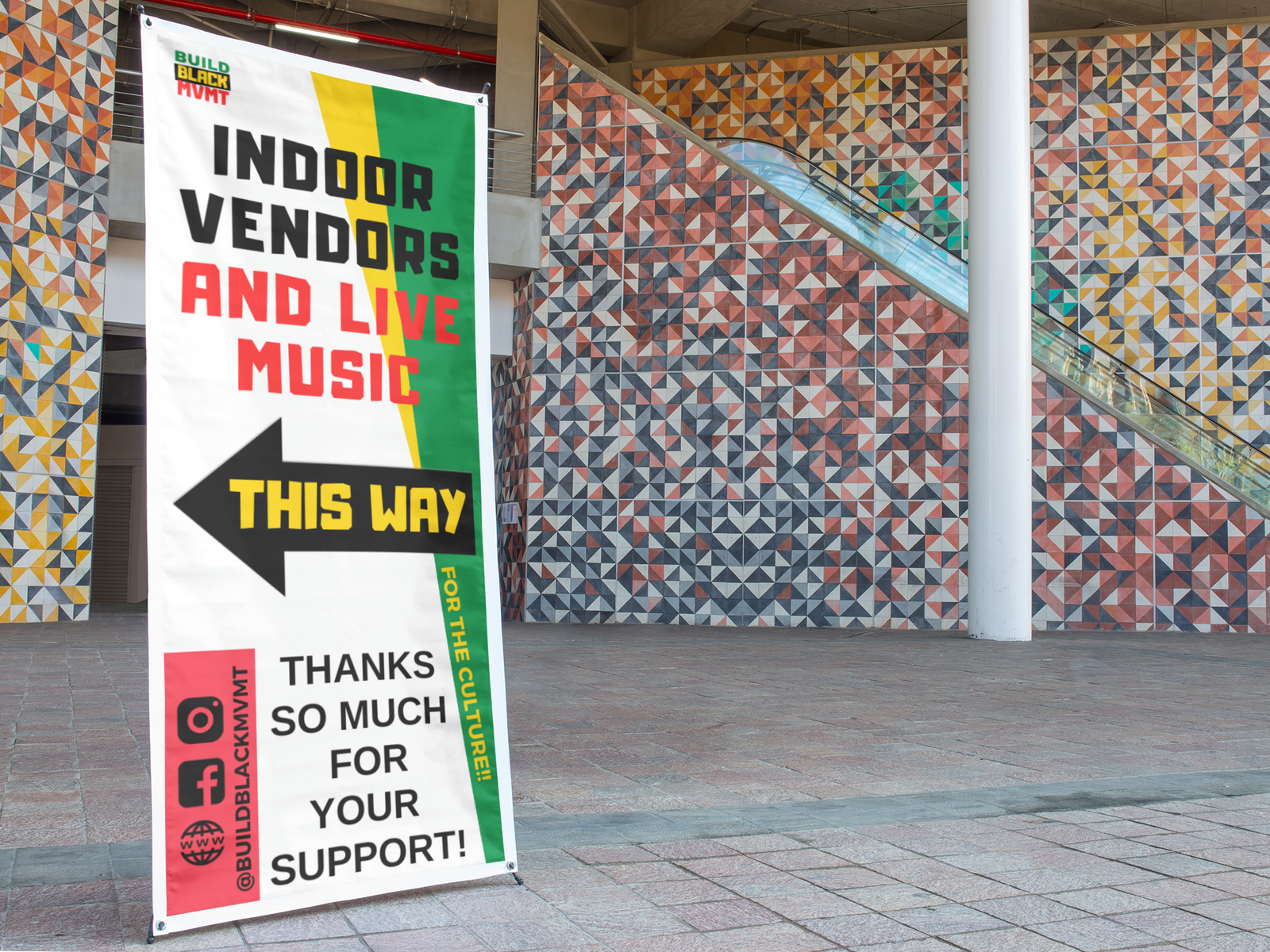
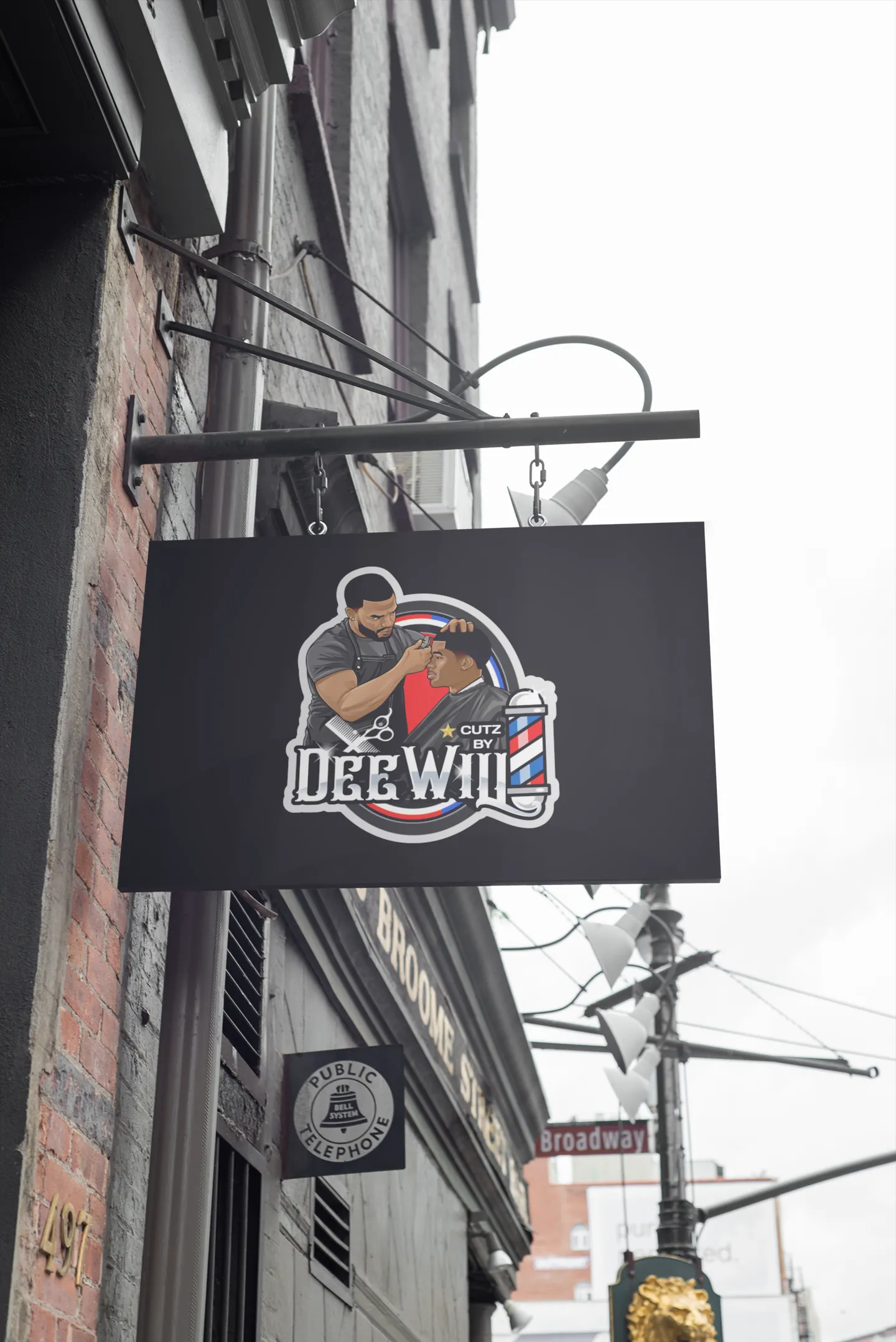
Branding across your business: Incorporate your brand into every area of your business, including signage.
Brand identity: Consider your product or service's values and goals, as well as how customers perceive it.
Every successful company, no matter the industry, is built on a foundation of strong branding. These powerful design elements are must-haves for a successful brand including:
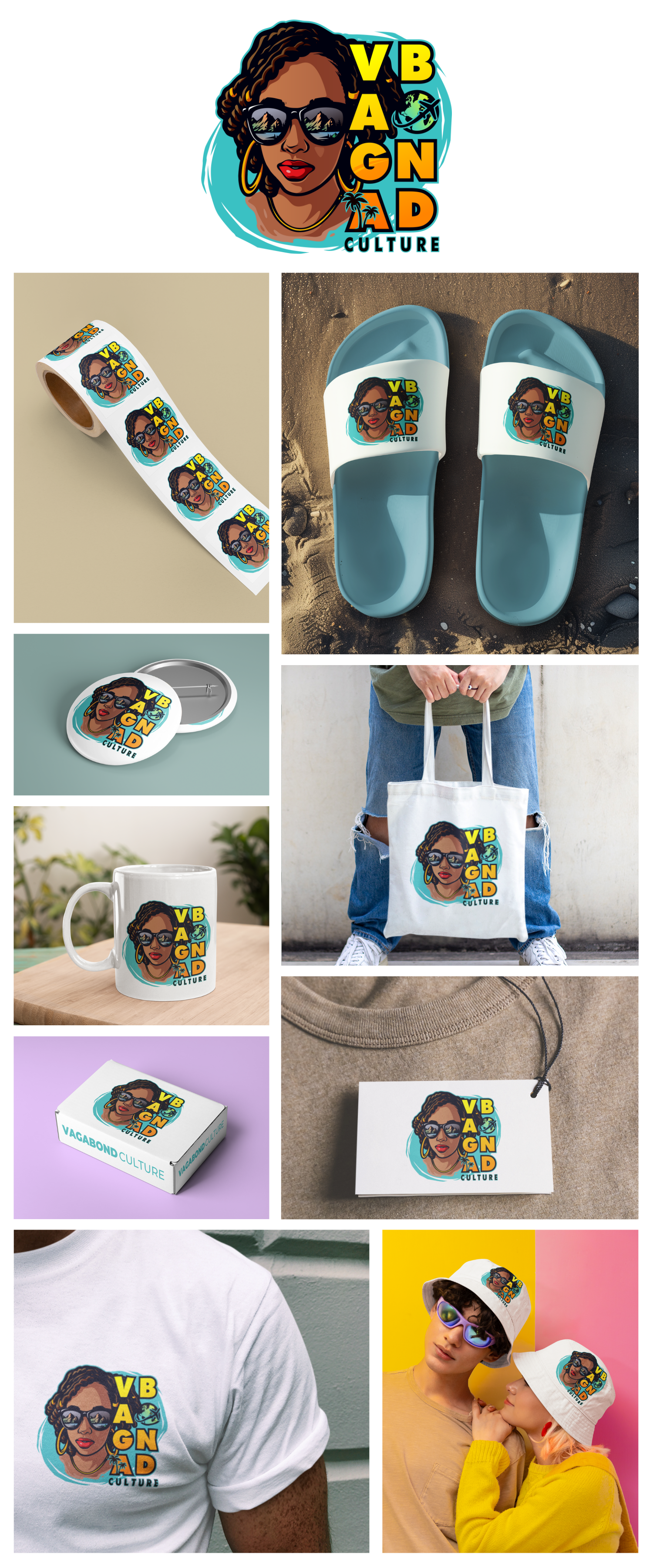
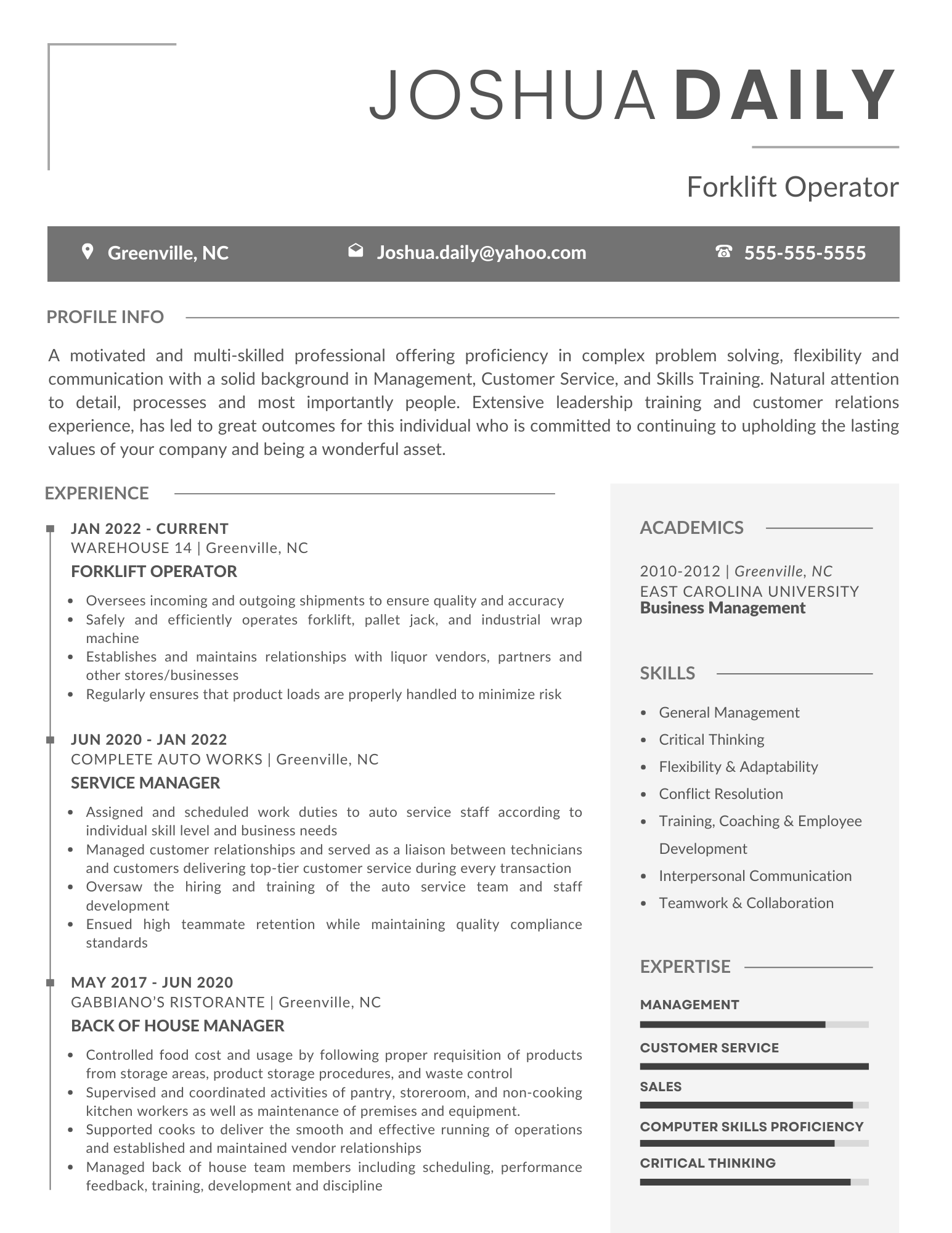
Logo - A brand logo is a meaningful artwork or design that conveys your company’s essence to those looking at it. Aside from the name, the logo is often the most identifiable element of a brand. It appears everywhere, including your website, social media platforms, and advertisements.
Typography - Typography is the art of creating and arranging text that is both readable and visually appealing. Fonts, of which there are hundreds of thousands, are an essential aspect of typography and a design tool that must be wielded with precision.
Colors - Colors play a crucial role in brand design. Like fonts, each color evokes different feelings and impressions.
Iconography - Iconography in design is, as the name implies, the art of creating icons. Iconography uses simple graphic designs to convey complicated information.
Illustrations - Illustrations can be a graphic interpretation of text, a process, a message, or a concept. These design elements add individuality, context, and uniqueness to your brand.
You might want to consider changing your brand design if:
Your brand is outdated
If your brand's visual identity is no longer relevant, it might be time for a rebrand. An outdated look can make potential customers think your work is also out of date.
Your brand's values or mission have changed
If your brand's fundamental principles have changed, or if the market demands a shift, a rebrand can help realign your brand.
You're entering a new market
If you're trying to reach a new audience or explore a new niche, a rebrand can help you differentiate yourself from competitors.
You've experienced a major change in your business
If you've undergone a merger, changed leadership, or seen declining sales, a rebrand can help you reassess your brand.
However, changing a brand's design can be risky and may lead to backlash. For example, some fans feel a strong emotional connection to their favorite teams and may feel betrayed by changes to the team's design.
If you don't need a complete rebrand, you can consider a brand refresh. A refresh can help you evolve your brand while keeping its core values and purpose intact. You can also try updating your logo while keeping some elements of the previous logo.
A logo is a visual representation of a brand's identity, but a brand identity is more than just a logo:
Logo - A logo is a symbol or picture that identifies a company. It's a key part of a brand's identity, but a logo alone doesn't make up a brand. A logo's purpose is to help customers recognize a brand and connect it with the company's products and services.
Brand identity - A brand identity is the collection of all creative elements that influence how the public perceives a brand. It includes the product or service, the company's quality, its advantages over competitors, and more. A brand identity's purpose is to help customers recognize and choose a brand over others.
Other elements of a brand identity include: Font and typography, Logo color palettes, Tone and voice of publications, and Symbols.
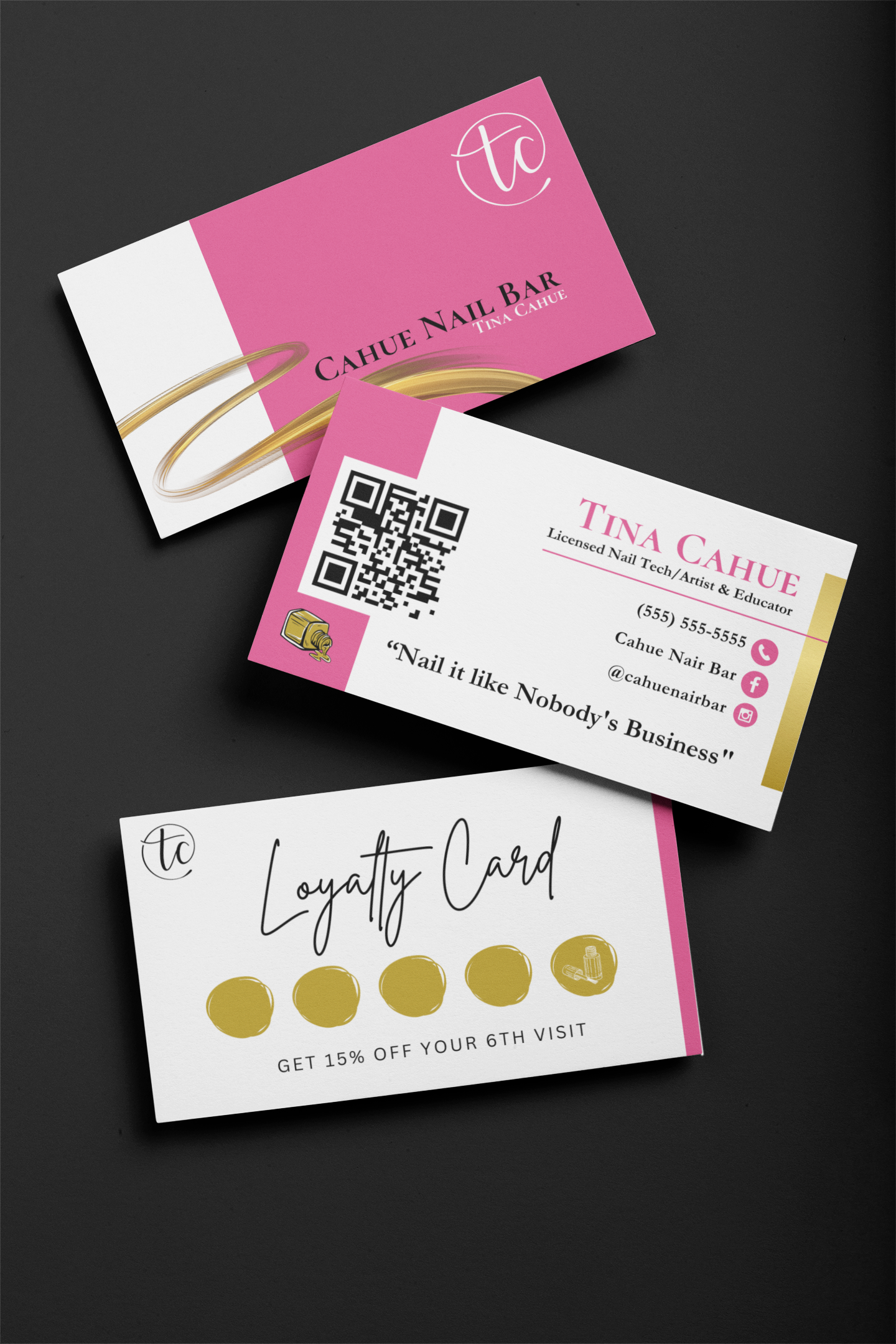
A brand's visual identity should be consistent across all communication channels, such as websites, social media, and business cards.
336-715-1117
tioko.business@gmail.com
5710 W. Gate City Blvd Suite K242 Greensboro, NC 27407
© Copyright Tioko.biz. All rights reserved